Central Obesity: Causes, Risks, Symptoms & Diet Plan | Dr Diet Therapy Nutrition & Wellness Clinic Dehradun
Central Obesity: Causes, Health Risks, Symptoms & Diet Plan
By Dt. Deepshikha Garg
Medical Nutrition Expert | Clinical & Army Dietitian
Founder – Dr Diet Therapy Nutrition & Wellness Clinic, Dehradun
What is Central Obesity?
Central obesity, also called abdominal or visceral obesity, means excess fat stored around the abdomen, particularly deep inside around organs such as liver, pancreas, and intestines.
Unlike regular body fat, visceral fat is metabolically active, producing inflammatory chemicals that increase disease risk.
🔹 Risk cut-offs for waist circumference (Asian population)
Men: ≥ 90 cm (≥ 35 inches)
Women: ≥ 80 cm (≥ 31.5 inches)
👉 Even if your BMI is normal, you may still have central obesity—often called “thin outside, fat inside” (TOFI).
Why Central Obesity is Dangerous
Visceral fat behaves like an endocrine organ. It secretes:
inflammatory cytokines
stress hormones
free fatty acids
This leads to:
insulin resistance
higher blood sugar
abnormal cholesterol
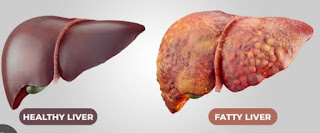
fatty liver
hypertension
clot formation tendency
Diseases linked to central obesity..
Type 2 diabetes
Non-alcoholic fatty liver disease
Heart attack & stroke
PCOS in women
infertility
obstructive sleep apnea
metabolic syndrome
gout and high uric acid
👉 It is not only cosmetic — it is a medical condition requiring professional nutrition therapy.
Causes of Central Obesity
Common causes include:
high refined carbohydrate intake (white flour, sweets, bakery)
sugary beverages and fruit juices
frequent snacking & late-night meals
sedentary lifestyle and long sitting hours
insulin resistance
chronic stress and poor sleep
alcohol
hormonal changes (thyroid dysfunction, PCOS, menopause)
trans-fat rich junk foods
Genetics may predispose—but lifestyle determines progression.
🩺 Symptoms You Should Not Ignore
increasing belly size despite normal weight
constant fatigue and sleepiness
cravings for sweets and salty foods
dark neck patches (acanthosis nigricans)
irregular periods / PCOS
snoring or sleep apnea
high triglycerides or uric acid
borderline or rising HbA1c
If you notice these signs, consult a Clinical Dietitian.
Recommended Health Tests
Your clinician may advise:
Fasting blood sugar & HbA1c
Fasting insulin
Lipid profile
Liver function test
Ultrasound abdomen (fatty liver screening)
Thyroid function tests
Vitamin D & B12 levels
Early detection helps prevent diabetes and heart disease.
Diet Plan for Central Obesity
🎯 Goal: reduce visceral fat + improve insulin sensitivity
✔ Foods to Prefer
high-fiber foods: salads, vegetables, oats, millets, chana, sprouts
adequate protein: milk, curd, paneer, pulses, tofu
nuts and seeds in limited quantity
whole fruits (not juices)
probiotic curd/buttermilk
❌ Foods to Limit / Avoid
white sugar, sweets, desserts
bakery products & biscuits
sweetened beverages and packaged juices
deep-fried and trans-fat foods
excessive tea/coffee with sugar
alcohol
late-night meals
🕒 Lifestyle eating tips
eat dinner early
maintain 12–14 hours overnight gap (if medically suitable)
chew food slowly
adequate hydration
🏃♂️ Exercise and Activity Recommendations
Spot reduction is a myth — but visceral fat is reversible.
Brisk walking or cycling 40–60 minutes/day
Strength training 2–3 times/week
Core and abdominal exercises
Break long sitting every 30–45 minutes
Aim for 8,000–10,000 steps/day
🕘 10-minute walk after meals improves sugar and belly fat control.
😴 Sleep and Stress Management
Poor sleep → more hunger hormones
Stress → raised cortisol → belly fat deposition
Helpful strategies:
fixed sleep schedule
yoga & meditation
sunlight exposure
screen detox before bed
🧭 When to Consult a Dietitian?
You should seek professional help if:
your waist circumference exceeds risk limit
ultrasound shows fatty liver
HbA1c or sugar is rising
triglycerides are high
PCOS, thyroid or menopause-related weight gain
stubborn belly fat despite dieting
✅ Message
Central obesity is not just “stomach fat” — it is a silent metabolic risk factor.
The good news is that visceral fat can be reduced through:
✔ scientific diet
✔ physical activity
✔ proper sleep
✔ stress management
✔ professional nutrition guidance
 Visit Our Clinic
Dr Diet Therapy Nutrition & Wellness Clinic, Dehradun
Consult Medical Nutrition Expert, Clinical & Army Dietitian – Dt. Deepshikha Garg
Visit Our Clinic
Dr Diet Therapy Nutrition & Wellness Clinic, Dehradun
Consult Medical Nutrition Expert, Clinical & Army Dietitian – Dt. Deepshikha Garg


Comments
Post a Comment